Right of Way
Definition and meaning of Right of Way in real estate.
A right of way is a specific type of easement that grants a person, the public, or an entity the legal right to pass through a property owned by someone else.
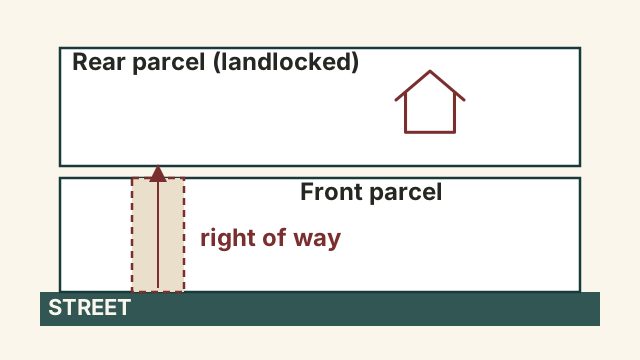
In more detail
Unlike a general easement that might allow utility lines or pipes, a right of way is specifically for travel or access, such as a driveway, pathway, or public road. This right is typically established through a written deed, a property plat, or long-term historical use.
Property owners cannot obstruct a legal right of way, even if they own the land underneath it. Understanding these rights is critical during a purchase because they can affect property privacy, land usage, and future development plans.
Key facts
| Category | Legal, Titles & Closing |
|---|---|
| Also known as | Easement of access |
| Applies to | Driveways, walking paths, utility access, and public roads |
| Transferability | Typically runs with the land and transfers to new owners |
An investor buys a rural lot that sits behind another property. To access the main road, the investor uses a gravel driveway that crosses the neighbor's property, which is protected by a legally recorded right of way.
Frequently asked questions
Can a landowner block a right of way?
No, landowners are legally prohibited from blocking or obstructing a right of way. Installing gates, fences, or parking vehicles that prevent access can lead to legal action.
How is a right of way created?
It is usually created through a written agreement between neighbors, during the subdivision of land, or by court order after years of open and continuous use.
Related terms
Sources & references
See our sources and editorial standards.